It is currently estimated that around 8% of people aged 65 years and over are living with neurocognitive disorders, which impair various cognitive functions and have a major impact on functional independence and social participation. Alzheimer’s disease accounts for approximately 70% of all neurocognitive disorders. Other common conditions include vascular neurocognitive disorders (20%), dementia with Lewy bodies, and frontotemporal dementia. As the population continues to age, the number of people living with a neurocognitive disorder is expected to triple by 2050. Supporting research to improve prevention and treatment, and delay disease progression is therefore a major public health priority.
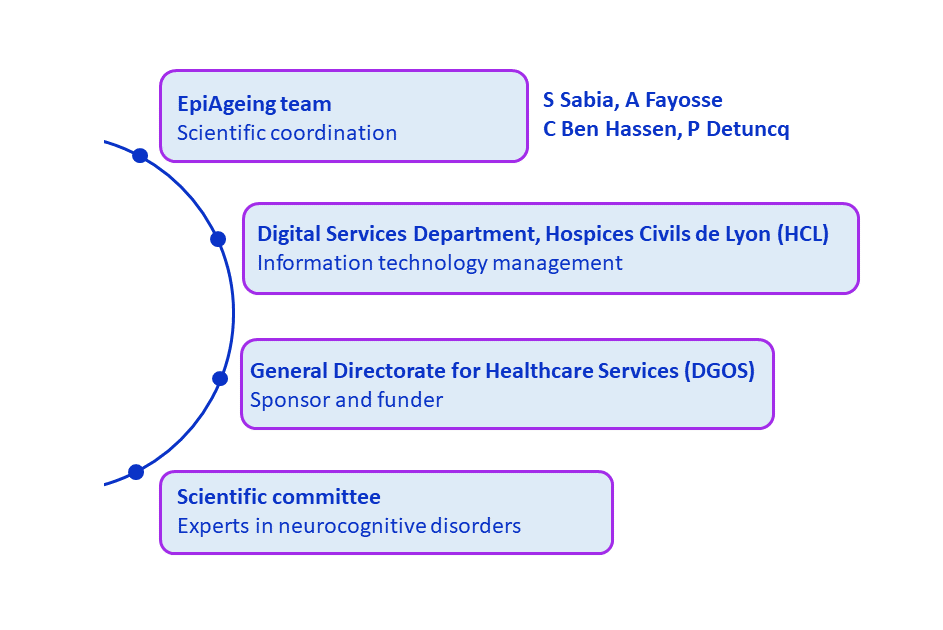
In 2008, the French National Alzheimer Plan led to the creation of a national database under the supervision of an ad hoc Scientific Committee and the auspices of the General Directorate for Healthcare Provision (DGOS) of the French Ministry of Health. The database brings together a minimum dataset collected at every consultation across the country’s 450 accredited memory clinics (specialized centres and outpatient consultation services). It provides a valuable epidemiological surveillance tool for investigating patients’ socioeconomic characteristics, diagnostic pathways, longitudinal changes in cognitive and instrumental functioning, and the impact of pharmacological treatments and psychosocial interventions. It is one of the largest databases dedicated to neurocognitive disorders in the world, currently including data from more than 1.8 million patients since its launch in 2009.
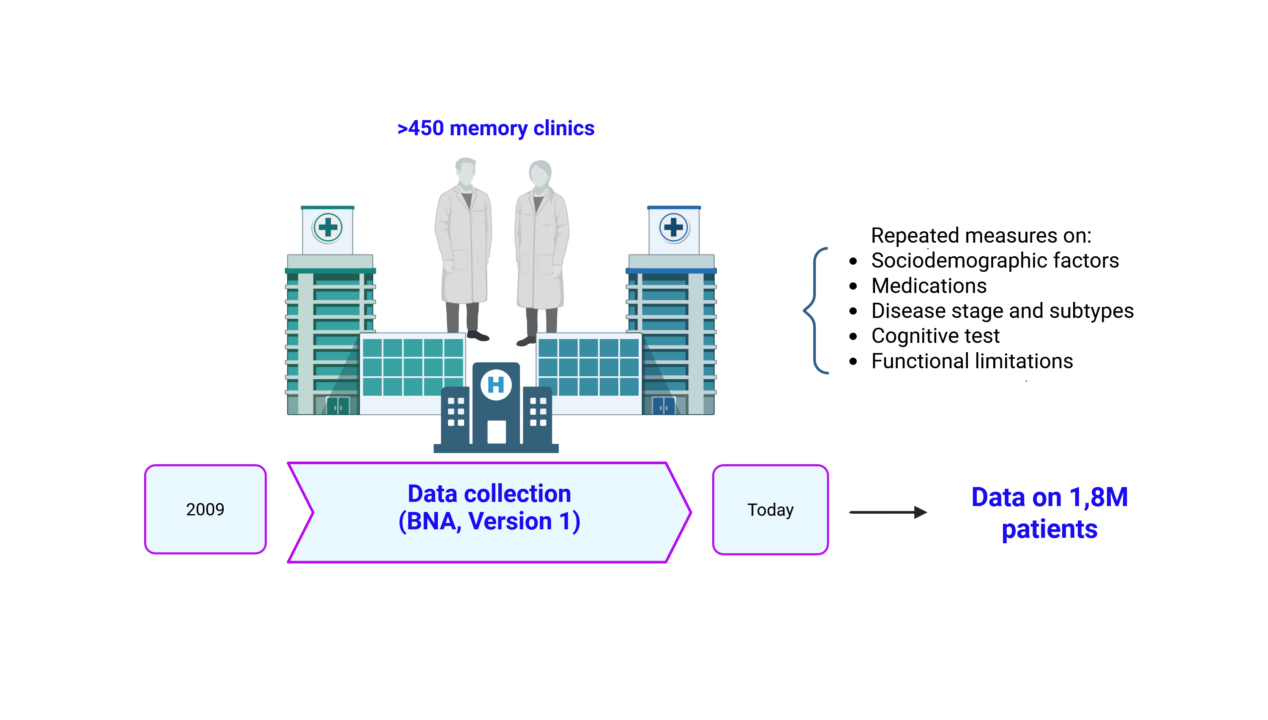
The 2025–2030 National Strategy for Neurodegenerative Diseases has strengthened the resources dedicated to the development of this database. A second enhanced version of the minimum dataset is currently being developed to incorporate recent scientific advances and address identified limitations. The new version of the former National Alzheimer Database, now renamed the National Database – Neurodegenerative Diseases (BN-MND), will be hosted within the French Health Data Hub (PDS) and linked to the French National Health Data System (SNDS). This will enable researchers to combine patient data from memory clinics with comprehensive healthcare history, including hospital data, health insurance reimbursement records, and the national mortality database.
Within this framework, the EpiAgeing team at the CRESS has been selected to assist the Scientific Committee, currently chaired by Professor Julien Dumurgier, in redesigning the minimum dataset. The team is also responsible for ensuring data quality and preparing the database for integration into the Health Data Hub. This work includes coordinating the national network of memory clinics to promote harmonised and accurate data collection, as well as performing ex post data cleaning before the database is released to researchers. The EpiAgeing team works in close collaboration with the Digital Services Department of the Hospices Civils de Lyon, which is responsible for the project’s technical and IT implementation. A cleaned historical version of the database, linked to the SNDS, is expected to be made available by the end of 2027. The transition from the original dataset to the new version is scheduled to take place during 2028.
Project Governance
Partners